We have a new prime minister in office, and one who has boldly declared his government will be a ‘cost of living government’. Eureka! A great slogan almost everyone can get behind. After all, who doesn’t enjoy being able to afford food and utilities.
In just a week, Andy Burnham has wasted little time shaking things up. His first cabinet meeting put tackling the cost of living front and centre. Next came the VAT cut on electricity bills. We also saw business rate cuts for our pubs, clubs and music venues.
It is great! Cut a bill here. Freeze a fare there. Knock a few pounds off the weekly shop if you can. Who could object?
Well… us.
Not because helping people through the cost of living is the wrong priority. Far from it. Our concern is the government has an excellent knack for treating symptoms while ignoring the condition.
It is all well and good making life a little cheaper today. But what about the bill nobody talks about. Not the gas bill, the electricity bill or the weekly shop, but the one we all pay anyway.
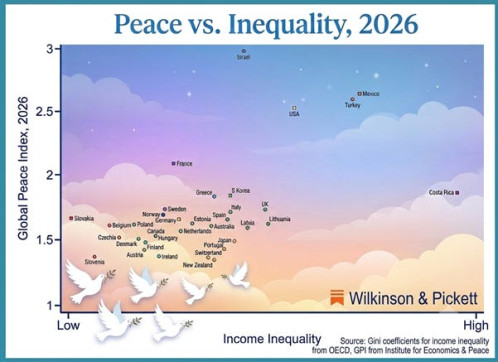
Our Cost of Inequality report estimates that inequality costs the UK £106.2 billion every year. That's the price of poorer health, lower productivity, higher crime and weaker communities. It's a cost we all share, whether we notice it or not.
Take health, for example. If the UK were as equal as the average for the developed Organization for Economic Cooperation and Development (OECD) countries, we could expect to enjoy another 12.8 months of healthy life. Not because of some miracle drug, but because more equal societies simply produce better health outcomes.
But where does the ‘cost’ of this come from? Well, the NHS, through NICE, routinely assess which new drugs are worth paying tens of thousands of pounds for. Its guidance suggests the system is a-okay paying £20,000-30,000 for a drug that increases healthy life expectancy. Which is what we would want, 100%. But here’s the irony: if society were more equal, much of that increase in health expectancy would happen anyway.
Interesting, right?
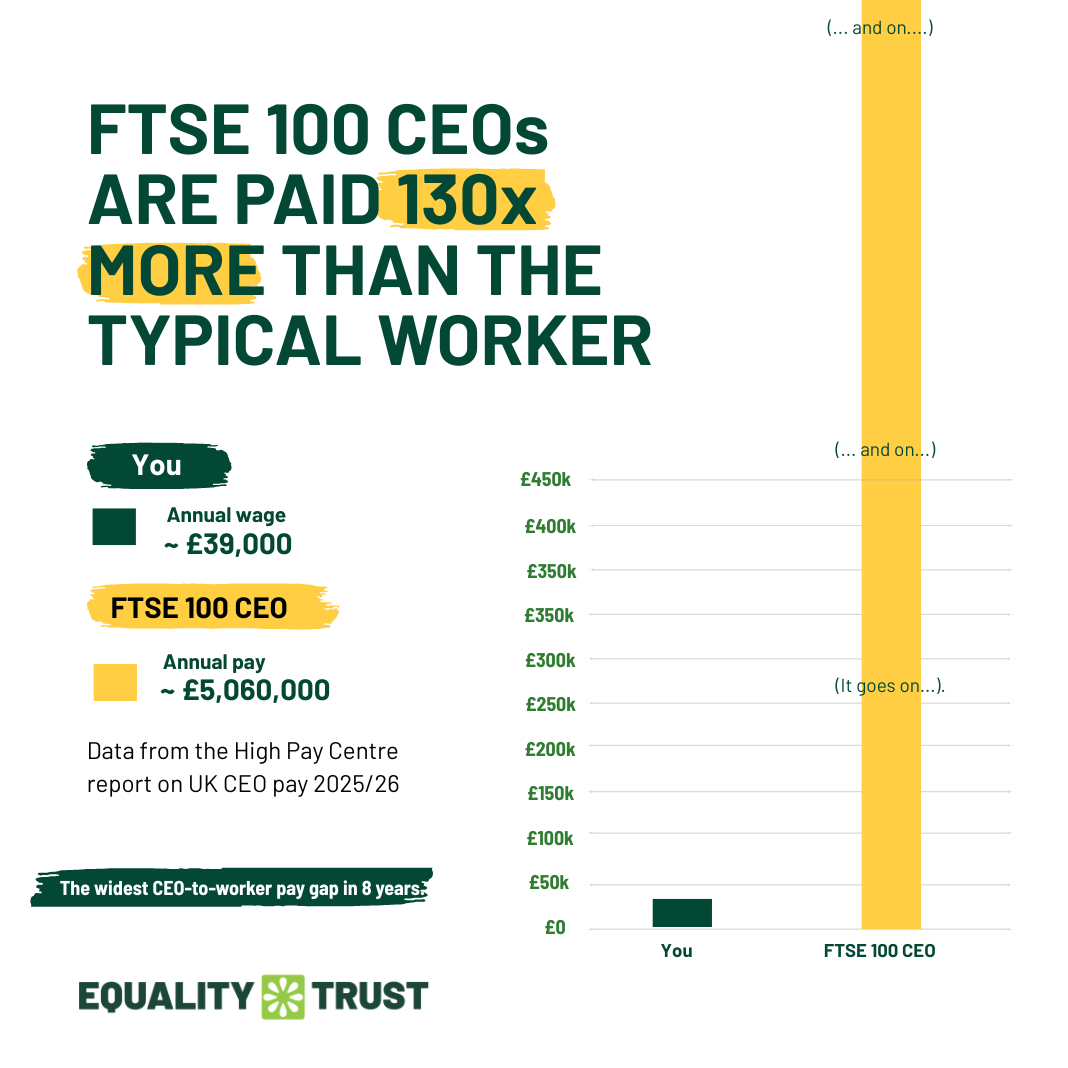
Because this is a story that rarely makes the headlines. Instead, we tend to celebrate ever-growing fortunes as evidence of a thriving economy, *cough* Sunday Times Rich List *cough*. Because for these folk, society and the economy is working just as it should be.
So yes, tackling the cost of living will definitely help us. Lower energy bills. Support businesses. Help families through difficult times. Those things matter.
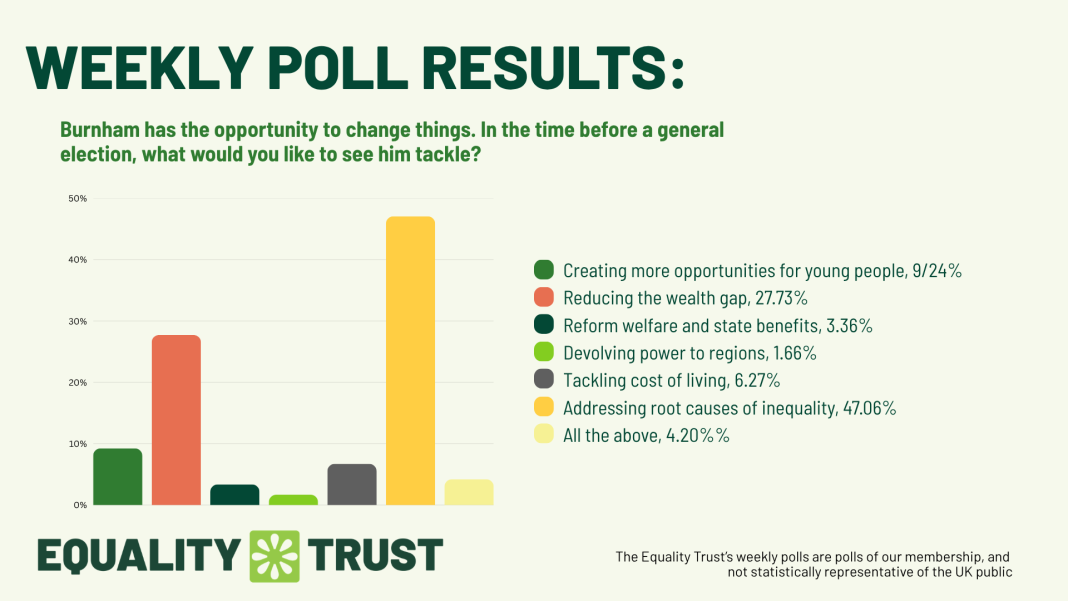
But if this government truly wants to be remembered as the "cost of living government", it should also become the government that finally confronts the cost of inequality.