Hi ,
Britain's economic debate has a curious habit of treating inequality like the weather: everyone complains about it, nobody seems responsible for it, and we're told there's very little that can be done. Growth is sluggish. Living standards are stagnant. Public services are creaking. Best pack an umbrella and get on with it.
A new report from the Progressive Economy Forum opens up the debate with a clear argument: Britain's decline is not an accident. Someone has been steering.
In Steering the Ship, economist Stewart Lansley suggests that over the last four decades economic power has steadily shifted away from democratic institutions and towards concentrated wealth, finance, and corporate interests. The result is an economy that excels at generating billionaires while struggling to generate decent living standards.
This is something we have been shouting about for years. Time and time again we have shown billionaires not only extract left, right, and centre, but accumulate the power to shape the rules in their favour. The effects are far-reaching, affecting everything from health and social mobility to the simple ability to live a life of security, dignity, and joy. This level of wealth inequality is built and maintained through political and economic choices. It is not accidental.
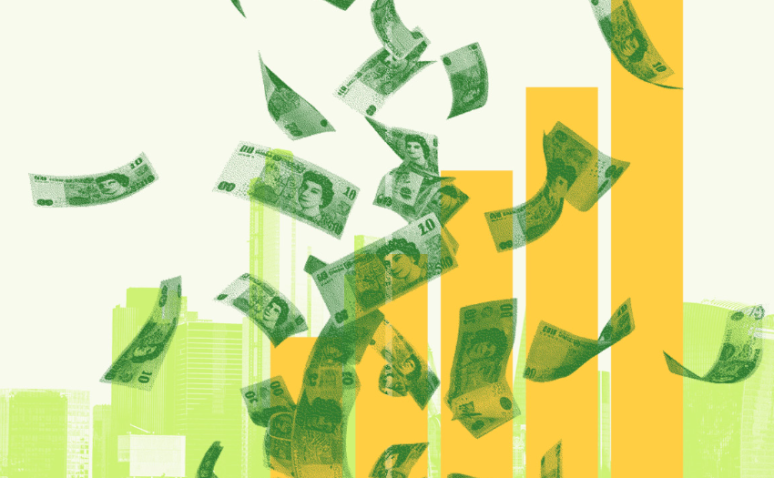
In February 2026, Citrini Research introduced the term Ghost GDP to describe a near-future economy distorted — one that appears to be growing strongly on paper, while becoming increasingly hollow in terms of real-world living standards and shared prosperity. It is a useful way of thinking about the gap between aggregate growth and lived experience in Britain today.
What looks like expansion in GDP increasingly masks stagnation in wages, pressure on public services, and uneven distribution of gains across society.
And there it is. Britain is simultaneously one of the richest and one of the most unequal countries in the developed world. We even wrote a blog about it.
The Lansley report calls for stronger democratic institutions, tougher controls on extractive business practices, reforms to corporate governance, and a tax system that does more to curb extreme concentrations of wealth.
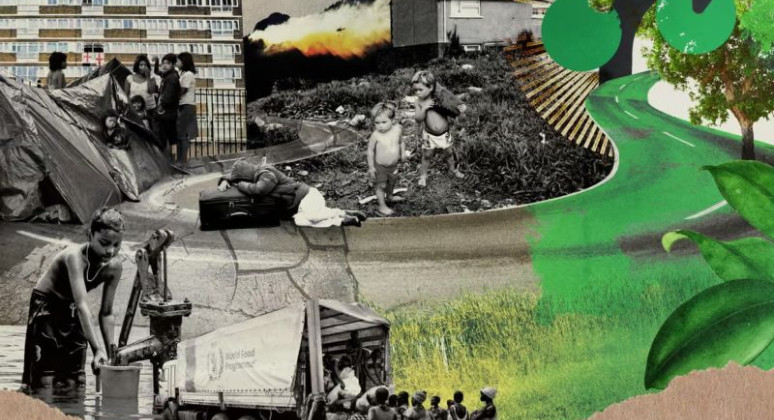
Critics will no doubt dismiss this as radical. But how can we be expected to believe that taxing work less and wealth more is radical, while a society where food banks coexist with private fortunes measured in billions is simply normal?
It is more important than ever to use our collective voice to campaign and challenge this so that we live in an equal society that works better for everyone, not just those who hold the billions and keys to power. |