Hi ,
Birmingham started the 20th century with a reputation for being the best governed city in the world. Until the midcentury, it was growing faster than other cities in the UK; until the late 90s, it was still doing considerably better than cities like Manchester or Glasgow. And here we are, with unelected central government commissioners forcing sales and closures of Birmingham's assets, local government unable to resolve a year long strike by refuse workers, and a structurally unfair and unequal local economy.
In the first sessions we held with our community reporters in Birmingham, they agreed that a core issue they wanted to focus on was access to culture, arts and recreation. It's a key problem: there were already massive gaps in access to concerts, festivals, theatre, music lessons, faith and sports. Now, thanks to the budget crisis, swathes of cultural institutions could disappear from the city over the next few years, from Black History Month to the Birmingham Rep.
None of this was inevitable. Birmingham is an incredible city with incredible people in it; it has everything it needs to thrive.
The reporters are all proud Brummies and love their city, but could see there was inequality in how people enjoyed what Birmingham has to offer. They could see what was at risk and its impact on social cohesion. They wanted to understand this better by hearing other perspectives.
That's what our community reporters have been hard at work exploring over the last few months, interviewing people across Birmingham and the West Midlands to record their stories about their cultural lives and their experiences of access to arts and culture, as well as the way all this is warped by socio-economic inequality. They've turned these findings into an amazing short film, compiling the stories they gathered in a combination of challenge and celebration.
And this celebration is warranted! What they found was a real love for Birmingham and the culture around them, as well as huge opportunities for excluded communities to participate in cultural life. While the system is failing people in Birmingham and indeed everywhere in the UK, communities are organising to do better. Dozens of campaigns are successfully getting community and public spaces transferred into community hands instead of sold off to private landlords.
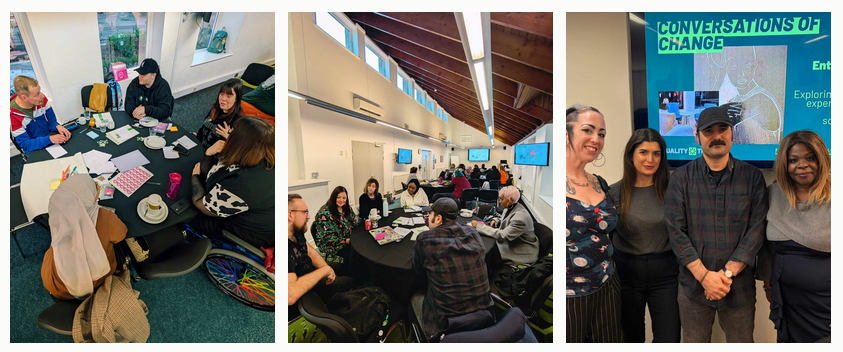
And the goal of empowerment continued at a workshop led by Local SED Senior Project Officer Charlie McNeill at the end of January. The workshop was designed by the community reporters to reflect this positivity about Birmingham whilst pragmatically challenging the issues at hand and reimagining a 'Brum without Barriers.' Thanks to our wonderful attendees, it was a roaring success! Charlie described how it went: "We had people stepping into their power as individuals and committing to changing how they engage with their local community, and we had organisations connecting to create opportunities for arts & culture to hit areas of the city that have been traditionally excluded. Already the ball is rolling and we'd love to see what more can happen!" |