Hi ,
2026 is, in many ways, the "midterm" year for this government. Elections in the freshly-reformed Senedd in Wales and at Holyrood in Scotland will both be focused on the performance of the extremely entrenched Welsh and Scottish governments at a time when people feel a sense of crisis about the country's direction, as well a way to vent frustration with Westminster's government. On top of that, the elections (which also include London and swathes of English cities) are shaping up to be cultural clash between right and left blocs, with voters working out which parties are the most viable way to support their bloc rather than voting for the established parties. All the major themes of this political era, neatly expressed on 7th May.
The good news about all of this significance being accorded to local elections is that they are, well, local. We all have much greater leverage over this kind of politics than we usually do over Westminster's functions, and accordingly an opportunity to influence the future we get.
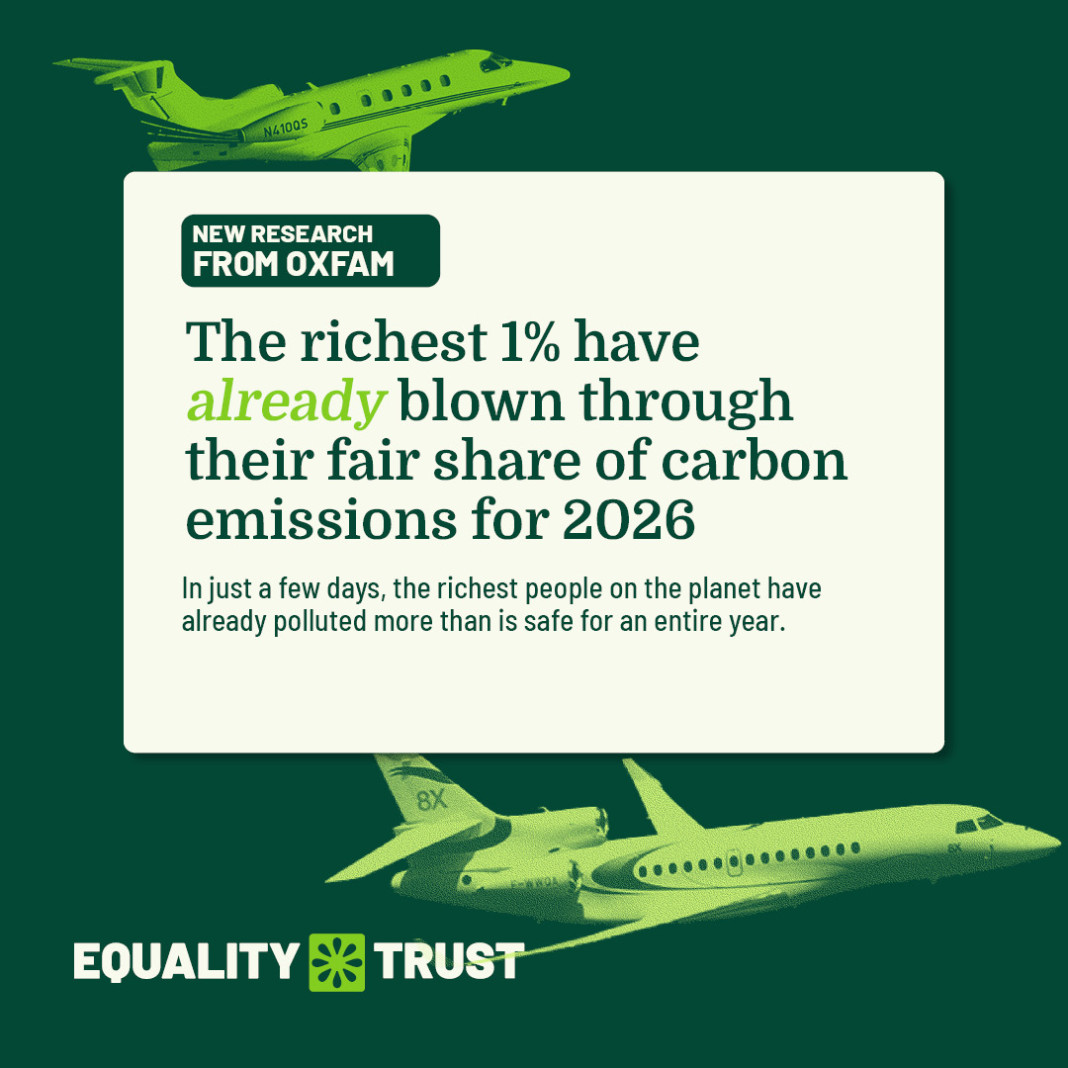
So what kind of future have the Welsh and Scottish governments been building towards? Both have used their devolved powers to push farther than Westminster has been comfortable with on inequality: both have adopted the socio-economic duty, tried to increase public ownership of essential parts of life, and provide the kind of social programmes that reduce inequality. This is laudable and shows how much devolution can achieve, from reducing child poverty in Scotland while UK rates rise and today's announcement of a private jet tax, or Wales beating Westminster to creating a publicly-owned energy company (and one with a clearer role than investment coordination body GB Energy). These outcomes have strengthened local society.
But it also shows some of the limits to what be achieved locally under our current system. Inequality within Wales is lower than the rest of the UK according to most measures, but inequality between Wales and the UK's super-rich is enormous. People are keenly aware of this inequality; of having higher poverty rates and longer waiting lists for the NHS. Disengagement with mainstream politics has been higher in both Wales and Scotland than the rest of the UK as a result, and the rapid rise of far right politics in these countries should not be a surprise.
This is why big, national strategies to undo the structures of inequality are so needed. The socio-economic duty has seen steady success being implemented across Wales and Scotland with public bodies reporting that it's helped them focus on inequality, make better choices, and especially do much more work involving people with lived experience of the problems they're trying to solve. But a full commencement across the entire UK government could start doing much more: questioning the austerity logic that still underpins so many decisions about funding, giving people a sense of control and fairness from the big institutional bodies that run the state, and starting to rebuild societal trust.
All this is frustratingly close to being realised! The government has already committed to commencing the SED at some point. We need them to just get on with it – and thanks to the local elections, we all have a little more power to make them listen this year. |